A jail telephone call at two in the early morning brings a special type of urgency. Family members need to know two things right now: what is the charge, and just how do we obtain them out. Whether the apprehension is for a misdemeanor or a felony forms almost every useful choice that follows, from the dimension of the bond to the documentation a bondsman will certainly call for. I have actually rested with parents checking out a judge's bond order through rips, and I have enjoyed accuseds go out the same mid-day on personal recognizance. The differences are not approximate. They derive from how the legal system classifies threat, assesses public safety and security, and takes care of court appearances.
This is a guide for browsing those differences. It does not attempt to make the process prettier than it is, however it should conserve you time, cash, and mistakes.
How costs set the stage
Criminal charges fall generally right into 2 classifications: violations and felonies. Offenses cover lower-level conduct, generally covered with a year or less in local jail, probation, fines, restitution, and classes. Felonies cover carry out the law deals with as even more significant, with prison direct exposure that can stretch right into years. States slice these categories into classes or degrees, and those labels do the heavy lifting when courts set bond. A Class A misdemeanor attack is not the same as a minor theft charge. A second-degree felony break-in does not resemble a low-level medicine ownership case.
Bond decisions sit at the crossway of 2 questions. Will the offender come back to court, and do they posture a risk to the community while out? The cost itself is the very first proxy for both. A higher optimum charge signals stronger motivation to avoid, and some costs, such as domestic physical violence or gun criminal activities, carry details safety and security problems that courts must resolve in release conditions. Those judgments map onto cash in foreseeable ways once you see the patterns.
What a bond actually is
People usage "bond" and "bond" mutually. Almost, bail is the total amount the court sets. A bond is a technique for satisfying that obligation so the jail releases the defendant. If you post the full cash quantity straight with the court or prison, that is a cash bond. If you work with a licensed surety that provides a bond, that is a guaranty bond. The surety assures the court the total if the offender fails to show up, and in return charges a nonrefundable fee, usually 10 percent in violation situations and in some cases higher in felonies. Some states allow deposit bonds, where you pay the court a percentage, regularly 10 percent, and get part back at the end, minus court fees.
For family members, the fee is the heading number, yet the terms beneath it matter. A bail bondsman may require security for a big felony bond, such as an automobile title or a lien on a house. Misdemeanor bonds rarely demand that sort of security unless the defendant has a long history of failings to appear. The bond agreement likewise imposes rules that exceed court problems: routine check-ins with the agent, work verification, travel limitations, and authorization to pull debt or contact references. https://josuekzrx972.trexgame.net/recognizing-skips-and-bond-forfeiture-proceedings Consider it as a personal supervision layer that exists to reduce danger to the surety.
Misdemeanor bonds: quantity, speed, and regular complications
In most counties, offense dockets run like clockwork. The prison establishes a common bond routine for common violations. Public drunkenness, minor burglary, driving on a put on hold certificate, simple drug possession under a limit amount, and disorderly conduct typically carry predetermined bail that a jail can approve 24 hr a day. If your region runs a pretrial services program, several first-time offense arrests receive launch on recognizance with coverage and reminders. That suggests no money at all, just a pledge to show up, often backed by check-ins, medication testing, or a no-contact order.
The rate can be deceitful. A person might bond out within a few hours, yet a safety order or ignition interlock need lands the next day. Courts likewise link some violation launches to examinations or courses. As an example, in a domestic disruption without injury, a judge may enforce no alcohol, no weapons, and a stay-away order. Breaching those conditions causes a bond retraction quicker than missing out on a single court reset.
Misdemeanor surety bonds tend to be uncomplicated. Charges typically rest between 8 and 12 percent of the bond amount. Collateral is unusual under $2,500 unless the applicant has slim connections to the area. On a $1,000 bail, you could pay a $100 nonrefundable fee and be done in under an hour. The bail bondsman will certainly ask for the accused's address, employer, length of time in the area, and referrals. If the offender has two or even more previous failings to show up, the charge can climb, or the bail bondsman might decline completely. I have seen agents decline a $500 shoplifting bond where the customer had 5 pending situations and a record of avoiding arraignments. Dimension is not the only risk.
Felony bonds: dimension, scrutiny, and supervision
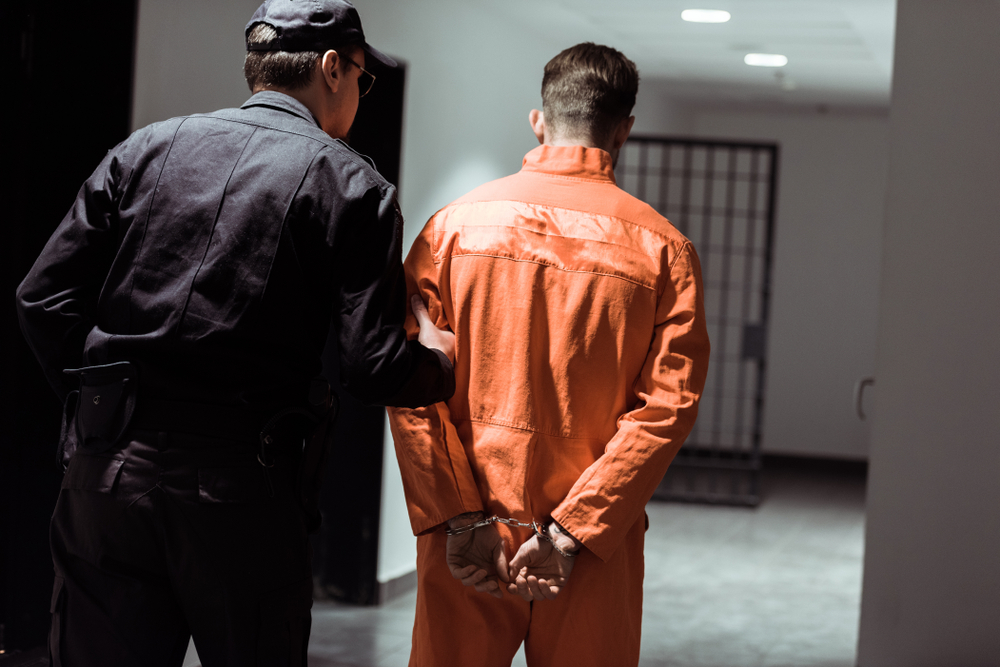
Felony costs pull the process right into a various equipment. Many jails will not accept a bond until after the defendant shows up prior to a magistrate or judge, often within 24 to 48 hours. There are great reasons for the time out. The court needs to validate identity, gather criminal background, speak with a prosecutor, and determine whether problems like GPS surveillance, home apprehension, or weapon surrender are needed. If the cost is violent or includes a weapon, expect the judge to add layers of supervision. Juries in some jurisdictions established no bond on the most major counts till a complete hearing.
Felony bond amounts vary extensively, and statewide "routines" matter much less than local method and the truths. A nonviolent Course D or state jail felony may come with bond in the $5,000 to $15,000 range. Midlevel felonies frequently land in between $20,000 and $75,000. Serious terrible felonies can face the hundreds of thousands or right into 7 numbers, and in many cases the court refutes bond entirely. A bail bondsman's cost commonly ranges from 10 to 15 percent of the bond quantity, with the greater end a lot more typical when the exposure is substantial. Security generally enters the discussion on bigger bonds. I have actually enjoyed boys transfer a vehicle to secure a $50,000 bond for their daddy's burglary situation, and families assemble 3 co-signers to share danger when no bachelor had sufficient assets.
The guidance expectations are also different. Several guaranties demand regular in-person check-ins on felony bonds, medication testing at the customer's expenditure, and prompt notification of any type of contact with police. If a customer misses out on a check-in, the representative may submit a notification and request a bond abandonment. On the court side, a judge could need electronic surveillance, curfews, or third-party custodians. These are not academic. If an ankle monitor reveals the customer at a bar in violation of a condition, the company will signal pretrial services, and the judge can provide a warrant.
Why the very same individual could obtain different outcomes
Two accuseds with comparable histories can receive very various bond choices for factors that make good sense on paper yet really feel arbitrary in the moment. The nature of the claims regulates greater than individuals expect. A first-time accused billed with intensified assault with a weapon may face a higher bond and stricter problems than a repeat thief on an offense. Previous history does not disappear right into the history either. A single failing to appear on a violation court day from years ago can turn a personal recognizance launch right into a protected bond, especially if the court thinks it was willful.
One neglected variable is time. Bonds alter after the initial appearance as instances create. A fee can be decreased, and the bond can go down. On the other hand, a district attorney can add matters, and the bond can increase. If a co-defendant determines your customer as the major star, a judge can revisit bond, add no-contact conditions, and boost the amount. Those shifts provide a bail bondsman leverage to renegotiate terms or require even more security. Make certain you recognize from the beginning whether your bond contract permits the agent to surrender the offender if the risk account changes.
Money inquiries households ask first
I have actually fielded the same four concerns in almost every bond meeting. How much is the fee, is any one of it refundable, will we obtain the cash bond back, and what takes place if the instance is disregarded? The solutions depend on which course you take.
If you post a cash bail directly with the court, many territories return the principal at the end of the situation if the accused appears as called for, minus fines, court prices, and administrative costs. If the court has actually evaluated restitution or unpaid fines in various other issues, it might apply the cash to those obligations. If you make use of a surety, the costs is nonrefundable. Think of it as insurance. The firm took the danger in your place, and the fee compensates them regardless of how the case ends. Termination does not cause a reimbursement of the premium. Some representatives charge little administrative charges for ankle joint surveillance, drug screening, and GPS upkeep. Those are different from the costs, and they build up monthly.
Worth noting: some courts allow a hybrid down payment bond, normally 10 percent of the bail quantity paid to the court. At the end of the case, you might get a section back, yet court costs and fees come off the top. Families in some cases choose down payment bonds for small offenses. For large felonies, cash liquidity can be a trouble, and the guaranty route makes bonding possible without binding 10s of hundreds of bucks for months or years.
What a bondsman examines that courts do not
Courts consider public safety and appearance risk. Bondsmen check out collectability if points go laterally. The calculus consists of employment security, length of home, household assistance, prior failures to appear, and the fee. They also study the anticipated timeline. An intricate felony can last 12 to 24 months, which indicates much more check-ins, more possibilities for troubles, and greater lugging danger. Agents price that into premiums and collateral requirements. If a customer deals with immigration holds or pending probation violations, the threat boosts due to the fact that other territories could nab the client before they can appear in the bonding court, activating loss. When that possibility exists, accountable agents will map out control with the various other court prior to composing the bond.
I have actually seen agents ask for a general practitioner condition also when the court did not require it, especially on high-dollar felony bonds. The business will fund the gadget and pass the regular monthly price to the family members. It can feel intrusive, but it allows the agent to react quickly if the customer drifts. Some representatives also insist on composed authorization before the defendant can travel outside the area, even for a funeral. Anticipate more stringent terms when the bond amount climbs.
The mechanics of getting somebody out
The midnight thrill to get a loved one released often collapses into preventable delays. Three functional items can shave hours off the wait. Initially, validate the specific reservation name and the situation number if it is offered. Prisons process numerous releases, and a wrong center preliminary or a suffix inequality can delay the process. Second, ask the prison whether the accused is on a hold that avoids release also if you post bond. Typical holds consist of parole infractions, out-of-county warrants, and ICE detainers. Posting bond on the neighborhood cost will not free somebody with a no-bond hold in other places. Third, examine whether the court calls for a safety order or a magistrate alerting to be offered prior to release. Residential situations, in particular, can unclear the door till paperwork is total, despite payment.
If you choose a surety, bring recognition, evidence of house, and evidence of income for the person signing as indemnitor. If security involves a car, you will certainly need the title. For real estate, a bondsman may request for a property tax statement, home mortgage payoff, and an act copy. Be gotten ready for telephone call to referrals. On a little violation bond, this is all overkill. On a six-figure felony bond, it is the norm.
Conditions that commonly stun people
Release problems have actually broadened in the last years, especially in instances entailing claims of violence, impaired driving, or tracking. A felony DWI with a prior sentence frequently needs ignition interlock within an established time after release, in some cases 3 to 7 days, with evidence filed to the court. Domestic fees often include a no-contact order that covers third-party contact and social networks. Breaching by sending out a relative to "check in" can cause revocation. Gun restrictions affix to numerous instances, not just felonies, and offenders need to surrender weapons within a given duration, typically two days, with receipts filed. Judges can link these conditions to bond; miss a due date and the bond evaporates.
Courts additionally enforce geographic exclusions. In a stalking instance, the order might establish zones around a victim's home, job, and college that the offender can not go into, enforced by general practitioner. In a medicine distribution instance, the judge may forbid presence at understood medicine residences. For some individuals, those zones coincide with their apartment or their family members's home, which produces a real estate crisis on top of the criminal instance. Bondsmen focus on those logistics. If a customer can not protect a certified home, representatives might decline to create the bond till housing is resolved.
When bonds obtain revoked, and how to stay clear of it
Two courses cause revocation more often than any type of others: missed court dates and technological problem infractions. A missed arraignment resets the clock promptly. The court issues a warrant, the bondsman obtains notification, and the firm has an economic factor to locate the customer. Several failings begin with a negative address. People move and fail to remember to update the court or the agent, mail jumps, and an accused misses out on an early morning setting due to the fact that they never recognized it existed. Fix the address problem on the first day. Enroll in message tips if your court provides them. If a work change or a child care situation stops participation, call the attorney and the agent early. Courts are much more versatile prior to the docket is called.
Technical offenses flounder careful customers. Alcohol keeps track of spike as a result of mouthwash or a hard kombucha. GPS bracelets activate when a client showers without a billing cord close by. Traveling constraints obtain breached by a one-day journey throughout an area line for a funeral. A lot of these are understandable if reported quickly. Keep receipts, take pictures, and call the supervising workplace before somebody calls you. For felony bonds with lengthy timelines, consider compliance as an once a week behavior, not a month-to-month chore.
Equity problems and reform currents
The American bond landscape reflects regional plan selections greater than nationwide harmony. In some regions, courts launch most of low-level misdemeanants on recognizance. In others, also small charges bring cash money bond since administratively it really feels safer. Over the past numerous years, a reform trend has actually pushed courts to decouple release from cash, especially for pacifist offenses. You will listen to extra regarding pretrial risk devices, text pointers, and guidance that does not rely on a cost paid to a personal company.
Felony method has relocated extra gradually. Courts continue to be comfortable utilizing high dollar total up to take care of regarded risk. That can trap indigent defendants behind bars for months while similarly located people with means go home. Some jurisdictions have actually developed nonfinancial conditions for major instances, like heavy supervision with ankle joint monitors supported by the region. Others stay committed to traditional cash versions. Focus on the regional climate. A defense attorney that handles the court house each day will understand whether the court at work is open to unsecured bonds for certain felonies or demands cash down. Strategy shifts accordingly, and the ideal timing or package of conditions can cut 10s of thousands off a bond.
How attorneys influence bond outcomes
If the case is a felony or a misdemeanor with unusual facts, bring counsel into the bond discussion early. Attorneys can request a hearing to lower a first bond quantity, existing secure real estate and employment proof, align third-party custodians, and recommend problems like treatment or interlock for a lower number. I have viewed a court cut a $100,000 robbery bond to $30,000 after speaking with an employer and a pastor, with general practitioner and time limit connected. On violations, counsel can often convert a money bond right into an individual recognizance bond after a background check clears. They can likewise negotiate the sequence of conditions so the client can get released, then set up interlock within a set time, instead of wait behind bars while a vendor timetables an appointment.
Lawyers also take care of the target market. District attorneys argue danger, and they frequently have information the defense has not seen yet. Getting ahead of that matters. If there is a previous protective order in an additional county, the protection needs to be the one to explain it and propose additional conditions that show respect for the worry. Bond is not a mini-trial on sense of guilt. It is a risk-management hearing, and framing it by doing this keeps the emphasis where it belongs.
Practical checklist: what to have all set prior to you call a bondsman
- Defendant's complete lawful name, day of birth, booking number, and specific charge Current address, company call, and size of time at both Names and numbers of two to four recommendations who will certainly address the phone Information on holds or out-of-county warrants, if any Proof of security if required: automobile title, residential property documents, or financial institution statements
Comparing normal patterns: violation vs. felony bond realities
- Speed of release: violations usually clear on predetermined timetables, felonies usually wait on a judge Amounts and fees: reduced and often deposit-eligible for violations, higher with collateral for felonies Conditions: lighter and standardized for offenses, tailored and extensive for felonies Supervision: erratic check-ins for violations, regular and often digital for felonies Risk of revocation: driven by missed dates on violations, a mix of technological violations and brand-new allegations on felonies
When no bond is possible
Some costs and situations closed the door. Capital offenses, probation or parole holds, and migration detainers can obstruct launch. Also where a bond is practically enabled, a judge may find that no combination of cash and conditions can reasonably safeguard the community. In a shooting case with qualified threats, or a substantial domestic strangulation where the victim continues to be at risk, courts regularly refute bond at the beginning. Defense attorney can revisit later as facts work out, however families need to prepare psychologically and monetarily for a longer wait. If a public protector or maintained lawyer recommends concentrating on exploration and possible reductions before pushing a bond hearing, they are likely reviewing the space correctly.
How to think of the cost-benefit
Bail decisions are not simply regarding going out today. They are likewise regarding trial technique, job stability, and long-term cost. Sitting in jail frequently forces fast guilty appeals, which can have immigration and licensing consequences far worse than the hidden days of imprisonment. On the various other hand, uploading a large felony bond might place a household home in danger if the offender deals with compliance. I have actually encouraged households to hold money and pursue a bond decrease hearing instead of sign a hostile security arrangement on the first day. A week of patience saved a home when the court decreased bond from $75,000 to $25,000 with GPS. That kind of determined decision-making is harder at twelve o'clock at night, yet it pays.
For offenses, the calculus tilts toward speed. Obtaining somebody out for work the next early morning can stop a job loss that would certainly spiral right into missed out on payments and brand-new costs. The costs on a $1,500 misdemeanor bond, also at 10 percent, could be more affordable than the lost incomes and downstream prices of a three-day prison stay. Each case requires a sober look at the family members's financial resources, the offender's reliability, and the likely timeline of the case.
Bail Bonds in context
The phrase Bail Bonds carries luggage, and permanently factor. The system typically mirrors broader injustices. Still, when used intelligently, bonds can maintain a situation, preserve work, and provide defense attorney the moment they need to do the job. If you come close to the process with eyes open to the differences in between felony and misdemeanor practice, you can lower both cost and threat. Know the fee, recognize the court's routines, select the right device for launch, and treat conditions as part of every day life up until the situation closes.
Step one is details. Step 2 is a clear plan for conformity. Step three is a consistent hand when something fails. Courts and bail bondsmans both respond better to trigger, recorded communication than to silence. That rule does not change whether the complaint is a shoplifting offense or a severe felony. The risks change. The behaviors that lug you with do not.